Understanding Plant-Based Compounds in Daily Life
An educational resource exploring the role of plant elements in men's everyday routines. Discover informational content about botanical compounds and their place in contemporary lifestyles.
Explore Topics
Introduction to Plant-Based Compounds
Plant-based compounds have been part of human culture for thousands of years. From culinary traditions to everyday household applications, botanical elements continue to play a role in how people structure their daily lives.
This educational resource provides neutral, informational content about various plant compounds. The materials presented here aim to explain concepts and provide context rather than offer personal recommendations or guidance.
- General information about botanical compounds
- Historical and cultural context of plant usage
- Overview of plant elements in everyday settings
- Educational perspectives on lifestyle integration
Daily Integration of Plant Elements
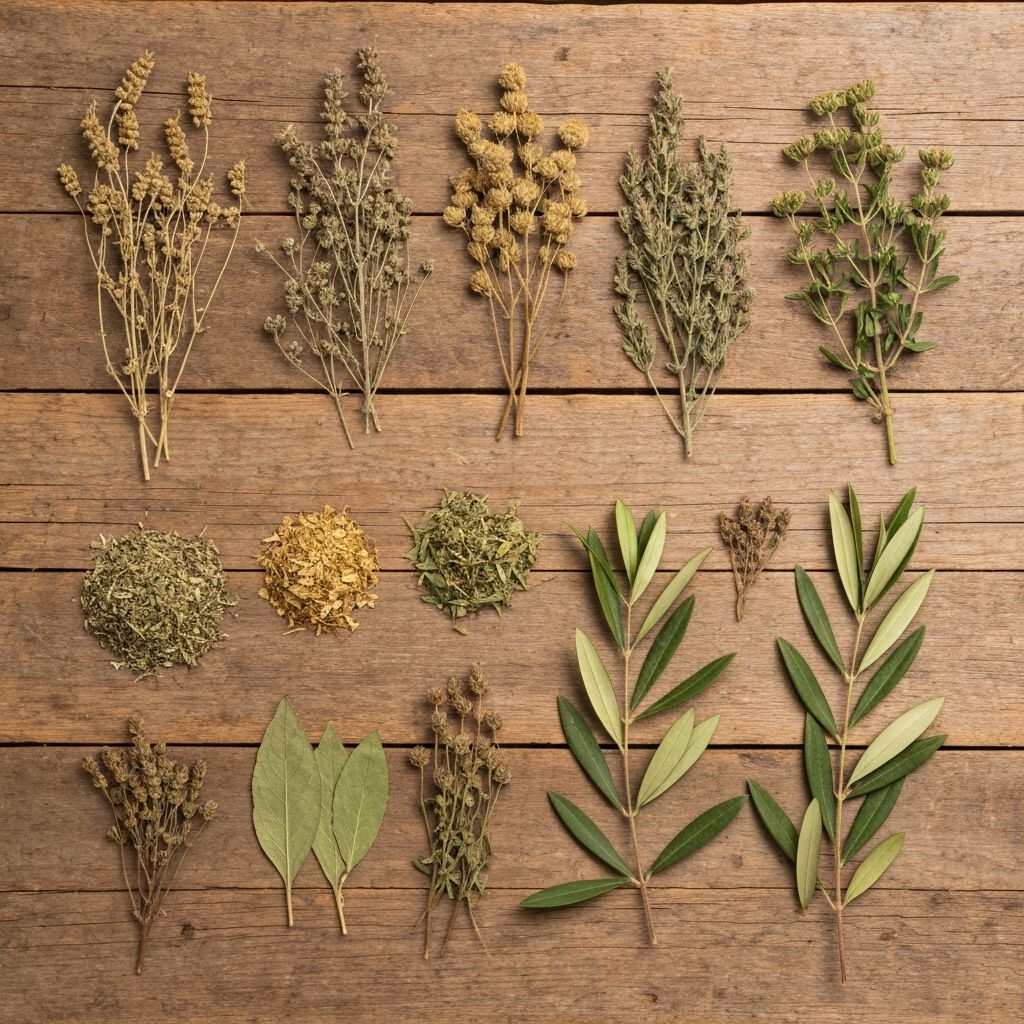
Many individuals incorporate plant-based elements into their daily routines through various means. From morning beverages to culinary preparations, botanical compounds appear in numerous aspects of contemporary life.
Understanding how plant elements fit into daily schedules can provide useful context for those interested in learning about this topic. This section offers general educational information about common patterns observed across different cultures and settings.
The integration of plants into daily life varies significantly based on geographic location, cultural background, and personal preferences. No single approach represents a universal standard.
Nutritional and Lifestyle Insights
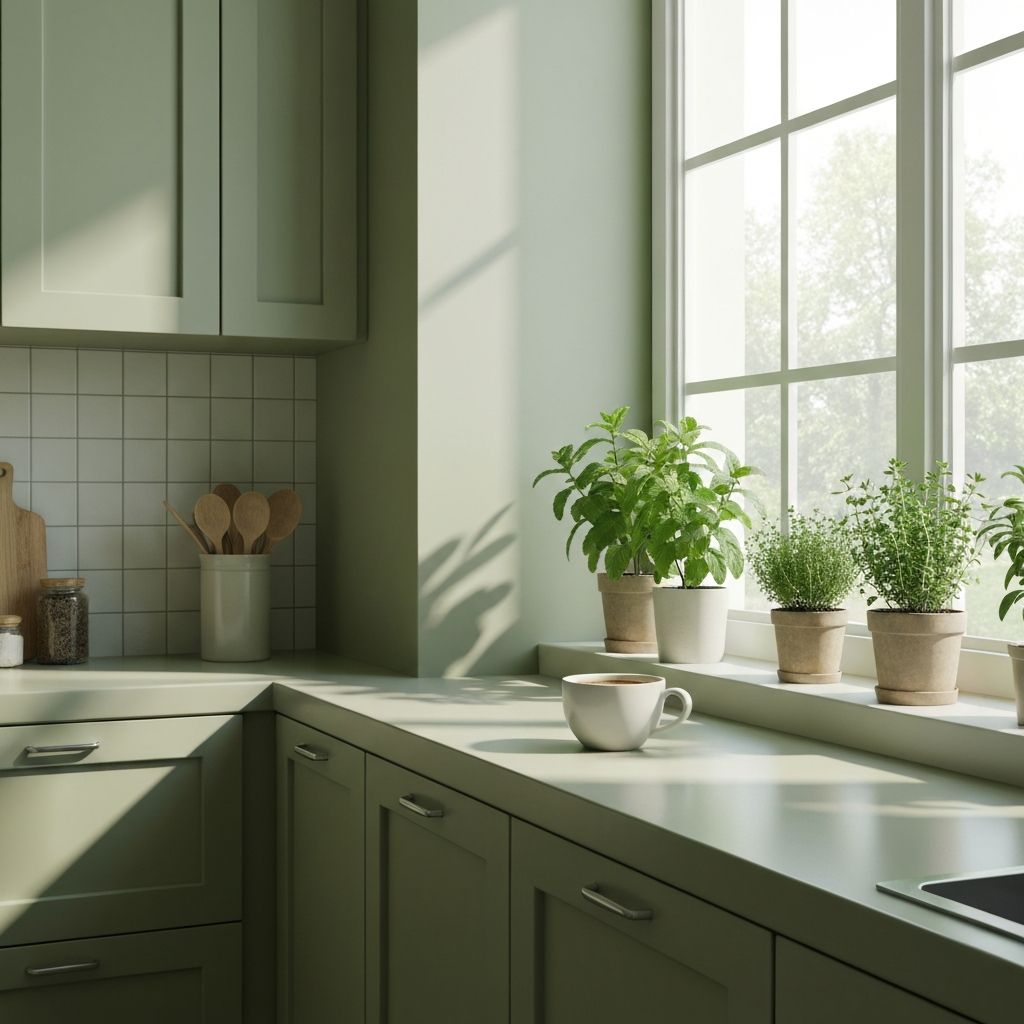
Plant compounds contain various elements that have been studied in academic and scientific contexts. This educational resource presents general information about these compounds without making specific claims about individual outcomes.
Different plant species contain different combinations of compounds. Understanding this diversity can help provide context for why various botanical elements have been used in different cultural traditions throughout history.
- General overview of plant compound categories
- Educational context about botanical diversity
- Information about traditional uses across cultures
- Academic perspectives on plant research
Mindfulness and Wellbeing Practices
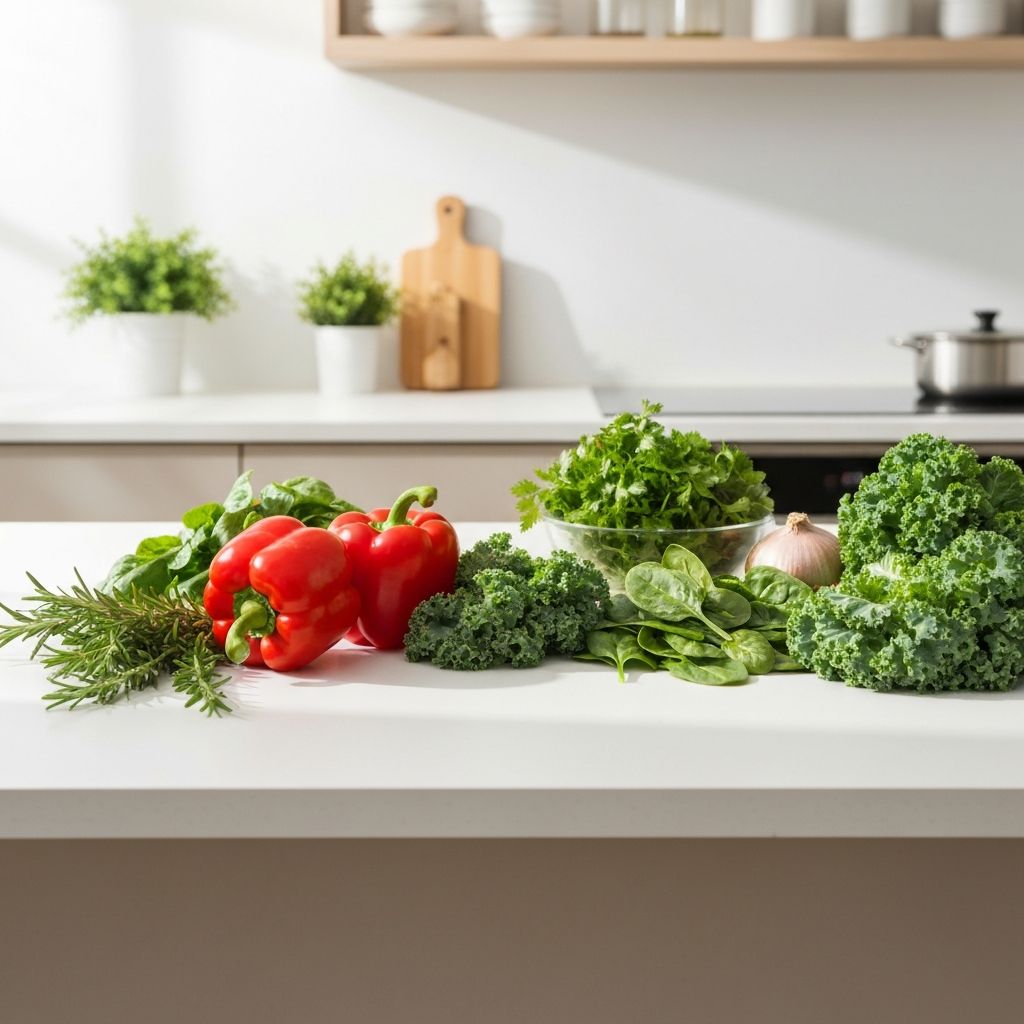
Exploring the relationship between plant elements and daily mindfulness routines from an educational perspective.
Routine Awareness
Many cultures incorporate plant elements into routines that emphasize presence and awareness. From tea ceremonies to garden tending, these practices often involve a deliberate engagement with botanical materials.
Understanding these traditions from an educational standpoint can provide insight into how different societies have structured their relationships with the natural world.
Environmental Connection
Plant cultivation and care often create opportunities for individuals to connect with their immediate environment. This connection manifests differently across various cultural and geographic contexts.
Educational resources about these connections aim to describe patterns and traditions rather than prescribe specific approaches or outcomes.
Context and Limitations
The information presented on this page is educational in nature and does not constitute personal advice or recommendations.
Individual experiences with plant-based elements vary significantly. No universal approach exists that applies to all situations or individuals.
This resource does not replace personal research or professional consultation where appropriate.
Cultural Uses of Plant Components
Throughout human history, various cultures have developed distinct relationships with plant materials. These relationships reflect geographic conditions, available resources, and evolving social practices.
In Indonesia and across Southeast Asia, botanical elements have played roles in culinary traditions, ceremonial practices, and everyday household applications. Similar patterns exist across other regions, each with their own unique characteristics.
This educational section provides general context about cultural uses without suggesting that any particular tradition or approach is superior to others.
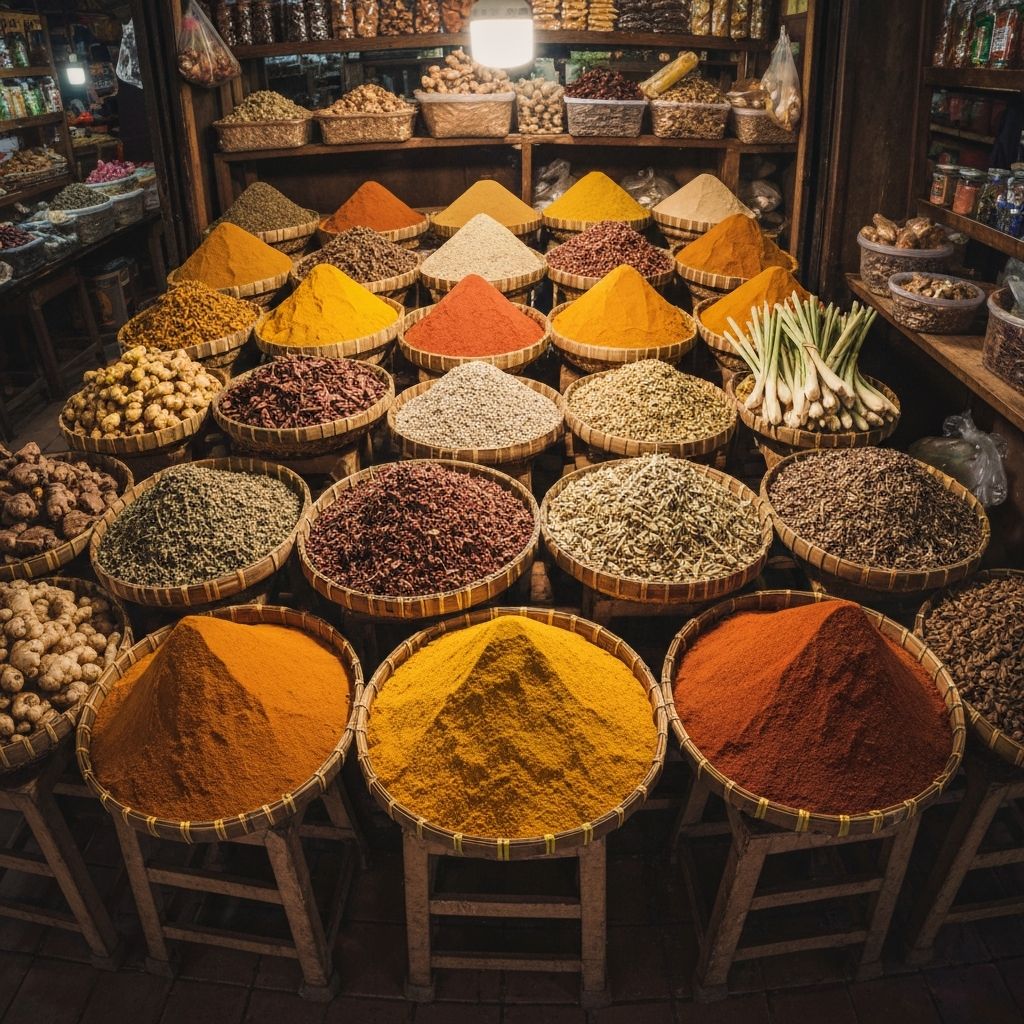
Educational Examples of Daily Routines
Illustrative examples showing how plant elements appear in everyday contexts across different settings.

Morning Preparations
Many individuals begin their day with plant-based beverages such as tea or coffee. These routines often serve as transition points between rest and activity.
Read More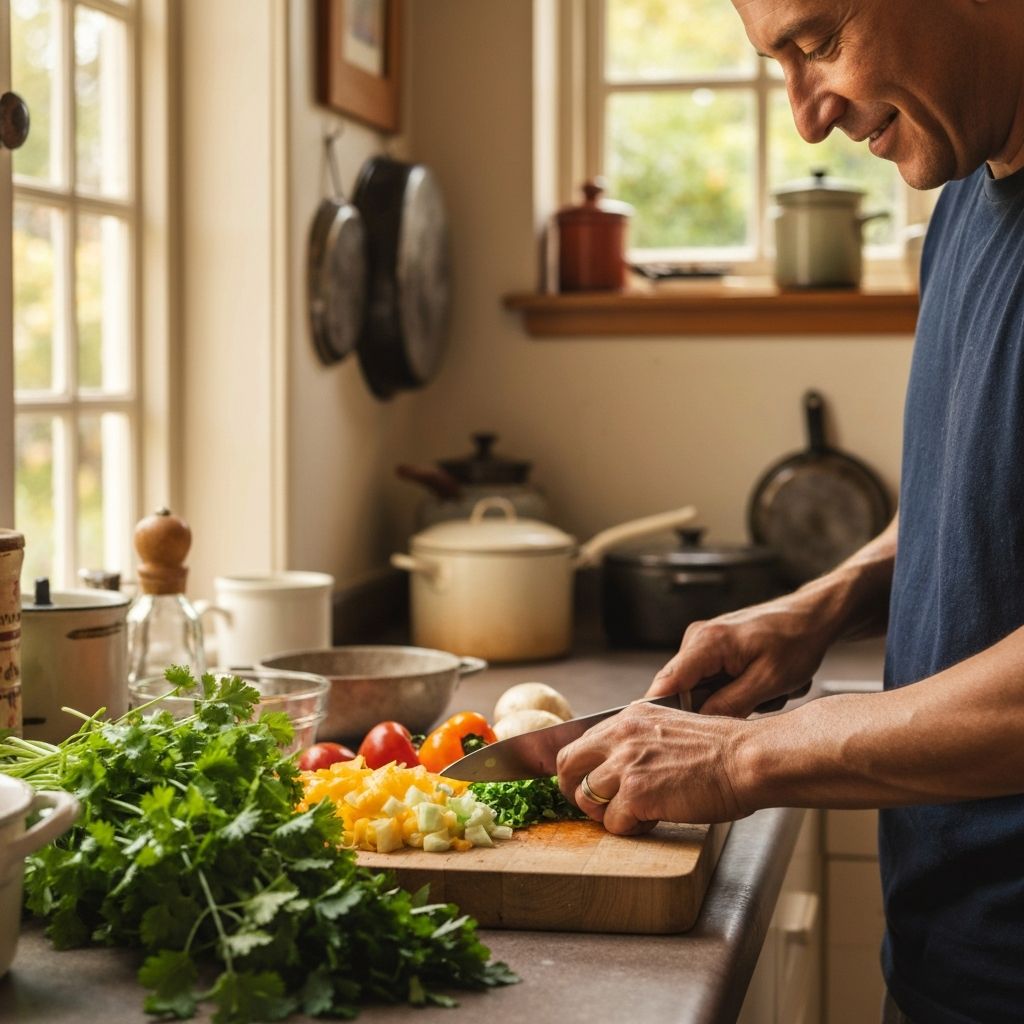
Culinary Applications
Plant compounds appear extensively in cooking traditions worldwide. Herbs, spices, and vegetables form foundational elements of many culinary practices.
Read More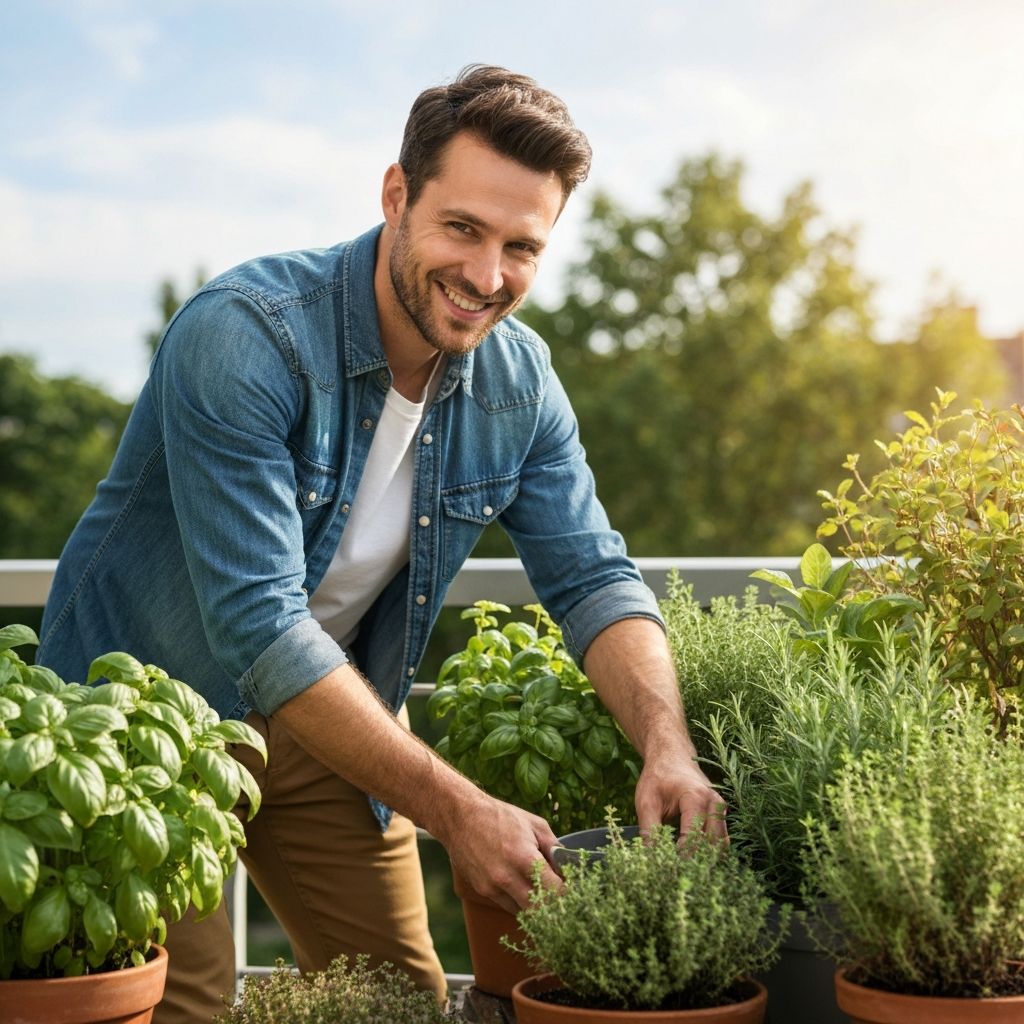
Garden and Home
Plant cultivation at home provides opportunities for engagement with botanical elements. Gardens range from small herb containers to larger outdoor spaces.
Read MoreEnvironmental and Social Context
Understanding plant compounds within broader environmental and social frameworks.
Sustainability Considerations
The cultivation and use of plant materials intersects with questions about environmental sustainability. Different approaches to plant sourcing carry different implications for ecosystems and communities.
Community Traditions
Plant-related practices often carry social dimensions, connecting individuals to community traditions and shared cultural knowledge. These connections vary across different societies and contexts.
Educational Resources
Various educational institutions and organizations provide information about plant compounds and their roles in human societies. Academic research continues to expand understanding of botanical diversity.
Frequently Asked Questions
Common questions about this educational resource and its content.
Plantivo serves as an educational resource providing informational content about plant-based compounds and their roles in daily life. The website aims to explain concepts and provide context rather than offer personal recommendations or advice.
No. This website provides educational information only. It does not offer personal advice, recommendations, or guidance. Individual decisions should be based on personal research and appropriate professional consultation where relevant.
Content is created by a team focused on educational materials about plant compounds. The content aims to be neutral, informational, and accessible to general audiences interested in learning about botanical topics.
This website provides general educational information and does not claim to be comprehensive. Topics related to plant compounds are extensive, and this resource represents one perspective among many available educational materials.
The information is intended for general educational purposes. Readers should consider multiple sources when exploring topics of interest and make their own informed decisions based on their individual circumstances and needs.
Get in Touch
Have questions about our educational content? We welcome inquiries from readers interested in learning more about plant-based topics.
Jl. Raya Kebon Jeruk No. 55
Jakarta 11530, Indonesia
+62 812 90 746 523
[email protected]
Send a Message
Continue Learning
Explore more educational content about plant-based compounds and their roles in everyday life.
Learn About This Resource